Emergency Dental Care Brooklyn NY: Compassionate Solutions When You Need Them Most
When dental emergencies strike in Brooklyn, knowing where to turn quickly can make all the difference. Whether it’s a sudden toothache, a broken tooth, or an injury from an accident, timely care is essential to relieve pain and prevent further damage. Emergency dental care in Brooklyn offers prompt treatment options that address these urgent issues efficiently.
Local dental clinics understand the stress that comes with unexpected dental problems. They provide expert care in a calm, welcoming environment, using modern tools to make the experience as comfortable as possible. Patients can expect everything from pain management to repairs and follow-up advice to protect their dental health.
Having access to emergency dental services means no one needs to wait in discomfort or uncertainty. It’s not just about treating pain—it’s about ensuring long-term wellness with a clear plan after the emergency is handled. Reaching out to a trusted Brooklyn dentist can help patients feel supported during difficult times.
What Is Emergency Dental Care?
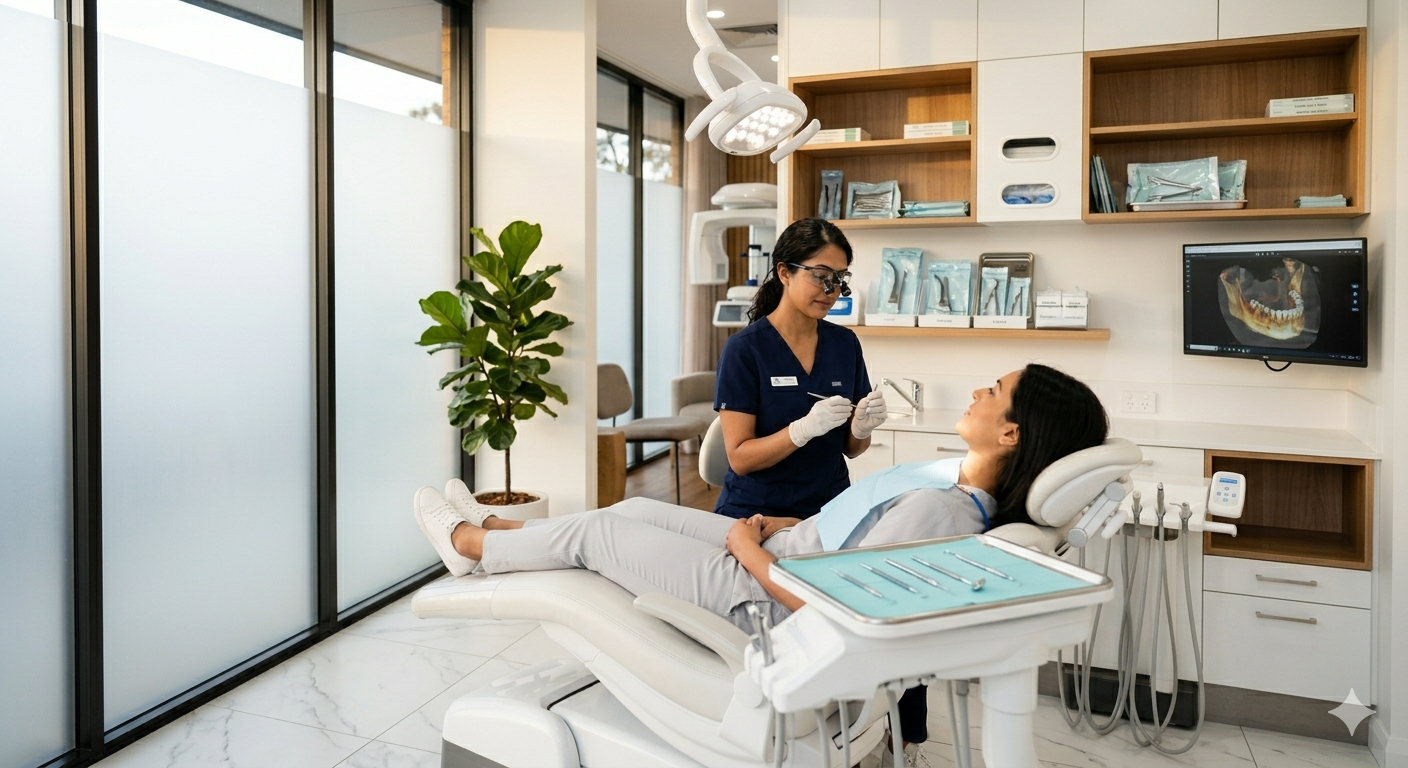
Emergency dental care focuses on urgent situations where immediate attention is needed to relieve pain, stop bleeding, or prevent further damage. It covers injuries, infections, and sudden dental problems that can’t wait for a regular appointment. Knowing when and how to respond can save teeth and reduce discomfort.
Common Types of Dental Emergencies
Dental emergencies include chipped or broken teeth, knocked-out teeth, severe toothaches, and infections causing swelling. Trauma from accidents or sports injuries often causes fractured teeth or loose restorations. Infections may lead to abscesses, which can cause intense pain and swelling.
Other common situations are lost fillings or crowns, which expose nerves and cause sensitivity. Bleeding gums after an injury also qualify as emergencies. Each of these issues requires prompt care to limit damage and ease pain quickly.
How Urgent Dental Issues Differ from Routine Care
Emergency dental care deals with problems that cannot wait for a standard dental visit. Routine care usually involves regular check-ups, cleanings, and minor procedures that don’t cause severe discomfort. Emergencies demand rapid assessment to protect oral health.
Unlike scheduled visits, emergency care often involves managing pain, controlling bleeding, and stabilizing damaged teeth. Quick intervention helps prevent infection and complex complications that could arise if treatment is delayed.
When to Seek Immediate Treatment
Immediate treatment should be sought if there is intense pain, uncontrolled bleeding, or a tooth completely knocked out. Swelling that affects breathing or swallowing also requires urgent care. Lingering pain after an injury or signs of infection, such as fever or pus, warrant prompt attention.
If a hard impact causes tooth movement or fractures, visiting an emergency dentist without delay is important. Acting quickly increases the chances of saving the tooth and avoiding more invasive procedures later.
Top Reasons for Emergency Dental Visits in Brooklyn NY
Many dental emergencies require prompt care to relieve pain and prevent further damage. Common issues often involve sudden discomfort or injuries that affect both function and appearance.
Toothaches and Severe Pain
Toothaches in Brooklyn often send patients straight to emergency dental offices. Severe dental pain typically signals an underlying problem like infection, decay, or an abscess. Ignoring the pain can worsen the condition and lead to more complex treatment.
Emergency dentists focus first on diagnosing the cause through exams and X-rays. Treatment might involve draining an abscess, prescribing antibiotics, or performing root canal therapy. Temporary pain relief methods, like numbing gels or medications, are provided to keep patients comfortable until full treatment is possible.
Chipped or Broken Teeth
Chipped or broken teeth frequently happen due to accidents, sports injuries, or biting something hard. Patients should seek emergency care quickly because exposed nerves can cause intense sensitivity or pain.
Dentists inspect the damage and recommend treatments ranging from smoothing rough edges to placing dental crowns or veneers for more severe breaks. In some cases, bonding materials restore the tooth’s shape and protect it from further damage. Acting swiftly can help prevent infection or tooth loss.
Knocked-Out Teeth
A tooth knocked out by trauma requires immediate emergency attention to increase the chance of saving it. The best outcome happens when the tooth is replanted within an hour of injury.
Patients should gently rinse the tooth if dirty, avoid scraping the root, and keep it moist by placing it in milk or a tooth preservation kit. Emergency dentists in Brooklyn can usually reinsert the tooth and stabilize it with splints. Quick action and professional care are crucial to maintain natural teeth whenever possible.
What to Do During a Dental Emergency
When a dental emergency happens, acting quickly and carefully can make a big difference in the outcome. Knowing the right steps to take at home helps ease pain, protect damaged teeth, and prevent complications until professional care is available.
Steps for Relieving Pain at Home
Pain from a dental injury or infection can be intense. Over-the-counter pain relievers like ibuprofen or acetaminophen help reduce pain and inflammation safely. It’s important to follow the dosage instructions on the package.
Applying a cold compress to the cheek near the affected area can also reduce swelling and numb the pain. Avoid placing heat directly on the face, as it may worsen swelling.
Avoid chewing on the injured side and stick to soft foods until you see a dentist. Rinsing the mouth gently with warm saltwater cleans debris and soothes irritated gums without causing additional damage.
Preserving a Dislodged Tooth
A knocked-out tooth might be saved if handled correctly and quickly. First, pick up the tooth by the crown (the chewing surface), avoiding touching the root. Rinse the tooth gently with plain water if it’s dirty, but do not scrub or use soap.
If possible, try to place the tooth back into its socket immediately. If that’s not an option, store the tooth in a container of milk or saline solution to keep it moist. Avoid storing it in plain water or letting it dry out.
Time is critical. Getting to a dentist within an hour gives the best chance to re-implant the tooth successfully.
Managing Bleeding or Swelling
Controlled bleeding is common with dental injuries. To stop bleeding, place a clean gauze pad or cloth over the wound and apply gentle pressure for 10 to 15 minutes. If bleeding continues, do not remove the gauze; add another layer and keep pressing.
For swelling, cold compresses applied intermittently (20 minutes on, 20 minutes off) reduce fluid build-up and discomfort. Keeping the head elevated helps prevent blood pooling in the injured area.
If bleeding is heavy, swelling worsens quickly, or breathing becomes difficult, seek emergency medical care immediately.
Finding an Emergency Dentist in Brooklyn NY
Knowing how to find a reliable emergency dentist can ease stress during urgent dental issues. It’s important to understand what qualities to prioritize, how to quickly get in touch with providers, and how to handle care outside of normal office hours.
Qualities to Look for in a Provider
A good emergency dentist in Brooklyn should offer prompt, compassionate care with clear communication. Look for dentists who specialize in urgent cases, such as toothaches, broken teeth, or infections.
Board certification and positive reviews from local patients signal professional credibility. A practice with modern equipment and sedation options can improve comfort during treatment.
Also, a provider who accepts most insurance plans or offers transparent pricing helps avoid surprises. Comfort-focused staff and a calm environment are key to easing anxiety in urgent situations.
How to Contact an Emergency Dental Clinic
Most emergency dental clinics in Brooklyn offer direct phone lines for walk-in or scheduled urgent visits. It’s best to call as soon as symptoms arise to confirm availability.
Some clinics also provide online forms or chat options on their websites for quick inquiries or appointment requests. If pain is severe, mention this clearly when calling; many offices prioritize based on symptom severity.
Have your insurance details and medical history ready to speed up the intake process. Immediate contact methods often appear on the clinic’s homepage or social media profiles.
Navigating After-Hours or Weekend Care
Brooklyn emergency dentists typically provide after-hours or weekend care for common dental emergencies. It’s wise to call ahead to confirm these hours since coverage varies by practice.
Some dentists rotate on-call schedules or partner with local hospitals’ dental departments. If the pain is severe or accompanied by swelling or fever, urgent care centers or ERs can offer initial relief until a dental specialist is available.
Knowing which providers offer extended hours ahead of time prevents unnecessary delays. Keeping a list of these contacts in your phone can be helpful during an emergency.
Modern Treatments for Dental Emergencies
Advanced dental care now focuses on reducing pain, speeding up repairs, and providing accurate diagnosis. These improvements help patients get quick relief and restore their smiles efficiently. Treatment options include effective pain management, same-day restorations, and digital tools that reduce wait times and improve precision.
Pain-Free Solutions
Pain control is a top priority during dental emergencies. Modern practices offer several options beyond traditional numbness. For example, local anesthetics are combined with calming techniques to minimize discomfort during treatment.
Laser dentistry is another tool that reduces pain and swelling by targeting inflamed tissue precisely without affecting surrounding areas. Some offices also provide sedation options such as nitrous oxide or oral sedatives for anxious patients. These approaches help patients stay calm and pain-free through procedures like root canals or extractions.
Using pain management alongside gentle techniques ensures that emergency dental visits are less stressful and more comfortable.
Same-Day Crowns and Repairs
One major advancement is the availability of same-day crowns and repairs using CAD/CAM technology. Instead of multiple visits, patients can have a damaged tooth reshaped, scanned, and fitted with a custom crown all in one appointment.
This process involves:
- Digital impressions that avoid messy molds
- On-site milling machines that create precise ceramic crowns quickly
- Immediate bonding to restore tooth function and appearance
Same-day solutions also include quick repairs for chips, cracked teeth, and lost fillings. These treatments reduce the risk of further damage or infection by swiftly protecting compromised teeth.
Digital Diagnostics for Fast Relief
Digital diagnostics play a crucial role in emergency care by speeding up assessment and treatment. High-resolution digital X-rays expose patients to less radiation and provide instant images for the dentist to evaluate tooth and bone health immediately.
Intraoral cameras allow dentists to see inside the mouth in detail, aiding in the diagnosis of fractures, abscesses, or impacted teeth. Some offices use 3D cone beam scans for complex cases, giving a complete view of dental structures in minutes.
Faster diagnosis allows for quicker, tailored treatment that addresses pain sources accurately and prevents complications.
What to Expect During Your Emergency Dental Visit
When a dental emergency strikes, knowing the steps ahead can ease much of the stress. The visit centers on identifying the problem quickly, managing any pain, and crafting a treatment plan tailored to the specific dental issue.
Friendly Consultation and Assessment
At the start, the dentist will take time to listen carefully to the patient’s concerns and symptoms. They ask detailed questions about pain, injury timing, and any previous dental history, which helps pinpoint the condition.
Next, a thorough examination follows, often including X-rays to get a clear picture of what’s happening beneath the surface. This step is crucial to rule out fractures, abscesses, or deep infections that might not be visible during a simple check.
The goal is to create a comfortable environment where patients feel heard and understood. This initial assessment sets the foundation for effective treatment and reduces anxiety.
Gentle Pain Management
Pain relief is a top priority in emergency dental care. The dentist will assess the type and intensity of pain, then recommend the safest and most effective options to ease discomfort quickly.
Common methods include local anesthetics to numb the area or prescribing medication if infections or swelling cause severe pain. They also provide advice on over-the-counter remedies for short-term relief until professional care is complete.
Throughout the visit, the team ensures patients are as comfortable as possible by checking in frequently and adjusting treatment to minimize pain.
Personalized Treatment Recommendations
After assessing the problem and managing pain, the dentist outlines the best course of action. This may involve procedures such as tooth repair, root canal therapy, or extraction, depending on the severity.
They explain each option clearly, including the benefits, risks, and how it will help prevent further issues. Patients can expect honest conversations to make informed choices about their care.
The dentist also discusses follow-up visits and preventive steps to avoid future emergencies. This personalized approach helps patients feel supported and confident in their dental health decisions.
Cost and Insurance Considerations
Understanding the financial side of emergency dental care helps patients prepare for unexpected treatments. Knowing typical procedure costs and how insurance may apply can ease concerns during stressful moments.
Typical Costs for Emergency Procedures
Emergency dental costs vary depending on the treatment needed. Simple exams and X-rays often start around $100 to $200. More complex treatments like tooth extractions may range from $150 to $400, while root canals can cost between $700 and $1,200.
Other factors include the severity of the issue and whether sedation or other services are necessary. After-hours or weekend emergency visits may have additional fees. Patients are encouraged to ask for cost estimates before treatment to avoid surprises.
Accepted Insurance and Payment Options
Many Brooklyn dental offices accept a wide range of dental insurance plans, including PPOs and some HMOs. However, coverage for emergency procedures can vary widely.
Patients should verify with their insurer whether an emergency exam, X-rays, or treatments like extractions and root canals are covered. Some practices offer payment plans, financing options, or accept credit cards to make care more affordable.
Clear communication about insurance and payment helps patients focus on healing without financial stress.
Tips for Preventing Dental Emergencies
Maintaining good dental health daily, using proper protection during activities, and staying up-to-date with dental visits all play key roles in reducing the risk of unexpected dental problems. These habits help keep teeth strong and identify potential issues before they become emergencies.
Daily Habits for Strong Teeth
Consistent oral hygiene is the foundation for preventing dental emergencies. Brushing twice a day with fluoride toothpaste helps remove plaque and strengthen enamel. Flossing daily clears debris between teeth and prevents gum inflammation.
Limiting sugary snacks and drinks also reduces the risk of cavities, which can lead to painful infections. Drinking plenty of water throughout the day helps wash away food particles and maintains saliva flow, essential for protecting teeth.
Avoid chewing hard objects like ice or pens, as they can crack teeth or damage fillings. By developing these simple habits, people support long-term dental health and lower their chances of needing urgent care.
Protective Gear for Sports
Wearing the right protective equipment is critical during contact or high-impact sports. Custom-fitted mouthguards cushion teeth from blows and prevent chips, fractures, or knocked-out teeth. Helmets with faceguards also reduce injury risks to the mouth area.
Store-bought mouthguards may offer some protection but do not fit as well as those made by a dentist. They can be uncomfortable or less effective at absorbing impact.
Encourage athletes of all ages to invest in professionally made gear. Proper protection during sports significantly lowers the chance of dental emergencies caused by accidents or collisions.
The Importance of Regular Check-Ups
Routine dental exams and cleanings detect problems early, before they turn into urgent issues. A dentist checks for signs of decay, gum disease, cracks, and other concerns that may not cause pain yet.
During visits, professionals can offer treatments like fluoride applications or sealants that strengthen teeth and prevent cavities. X-rays help find hidden damage or infections deep inside the mouth.
Scheduling appointments every six months ensures ongoing prevention. Timely care keeps dental health on track and helps avoid painful, costly emergencies later on.
Recovery and Aftercare Advice
After emergency dental treatment in Brooklyn, patients should follow clear steps to promote healing and prevent complications. Rest is important, especially in the first 24 hours. Avoid vigorous rinsing or spitting to let blood clots form if there was an extraction.
Pain and swelling can be managed with over-the-counter medication like ibuprofen, taken as directed. Applying a cold compress to the cheek for 15 minutes on and off helps reduce swelling and discomfort.
Eating soft, cool foods is best during recovery. Foods like yogurt, mashed potatoes, and smoothies soothe the mouth without irritating treated areas. Avoid hot, spicy, crunchy, or sticky foods that could cause pain or damage.
Oral hygiene remains crucial. Gentle brushing and flossing should continue, but care should be taken near sensitive areas. Patients should avoid tobacco and alcohol, as these can slow healing or cause infection.
If a dental appliance or dressing was placed, patients should keep it clean and avoid disturbing it. Any unusual symptoms such as persistent pain, swelling, or bleeding should prompt a prompt visit to the dental office.
Key aftercare tips:
| Care Step | Why It Matters |
|---|---|
| Rest | Helps the body heal |
| Cold Compress | Reduces swelling and pain |
| Soft Diet | Prevents irritation |
| Gentle Oral Hygiene | Keeps area clean without harm |
| Avoid Smoking/Alcohol | Promotes faster, complication-free recovery |
Following these guidelines helps patients feel comfortable and supports smooth recovery after emergency dental care in Brooklyn.
Take the Next Step Toward Relief
When dental pain strikes, hesitation can make things worse. Seeking prompt care in Brooklyn means fewer complications and a quicker return to comfort.
Patients should look for a dental practice that offers same-day appointments or emergency walk-ins. This flexibility helps address issues like severe toothaches, broken teeth, or infections before they escalate.
Here’s what to keep in mind when choosing emergency dental care:
- Location: A nearby office reduces travel stress during a painful emergency.
- Availability: 24/7 or extended hours offer assurance if problems happen after work or on weekends.
- Comfort: A caring, calm environment eases nerves and promotes healing.
Many modern clinics use the latest technology for pain management and quick diagnosis, making treatment smoother and less intimidating.
If you or someone you know experiences sudden dental pain, swelling, or trauma, it’s important to act quickly. Waiting can lead to more invasive and costly procedures down the line.
Encourage patients to call their local emergency dentist in Brooklyn for advice and appointment options. Early intervention is the key to relief and preserving your smile.
Frequently Asked Questions
Knowing how to act quickly during a dental emergency can make a big difference in treatment and comfort. Understanding appointment options, insurance acceptance, and simple home care tips helps ease stress until professional help is available.
What should I do right away if I crack or break a tooth and I’m in pain?
Rinse your mouth gently with warm water to clean the area. Use a cold compress on your cheek to reduce swelling. Avoid chewing on the affected side and take over-the-counter pain relief if needed.
Can I walk in for urgent dental treatment the same day, or do I need an appointment?
Many Brooklyn dental offices accept same-day emergency walk-ins, but calling ahead is recommended to ensure availability. Some clinics might require brief pre-screening or registration before treatment.
How can I tell if my toothache is an emergency that needs immediate care?
Severe pain lasting more than a day, swelling, fever, or difficulty swallowing indicate an emergency. If the pain comes with trauma or a knocked-out tooth, immediate dental attention is necessary.
What are my options for emergency dental care if I don’t have insurance?
Community clinics and dental schools often offer reduced-cost emergency services. Some urgent care dental providers offer payment plans or sliding scale fees based on income.
Do you accept Medicaid or Healthfirst for emergency visits, and what should I bring?
Many emergency dentists in Brooklyn accept Medicaid and Healthfirst, but policies vary. Bring your insurance card, a photo ID, and any previous dental records if available.
What can I do at home to ease dental pain safely until I’m seen by a dentist?
Rinse with warm salt water to reduce inflammation and gently floss around the painful area. Avoid very hot, cold, or sugary foods. Use over-the-counter pain medication as directed and avoid aspirin on the gums.
Contact Us For A Free Consultation
Copyright © All Rights Reserved
Created by DDS Marketing