
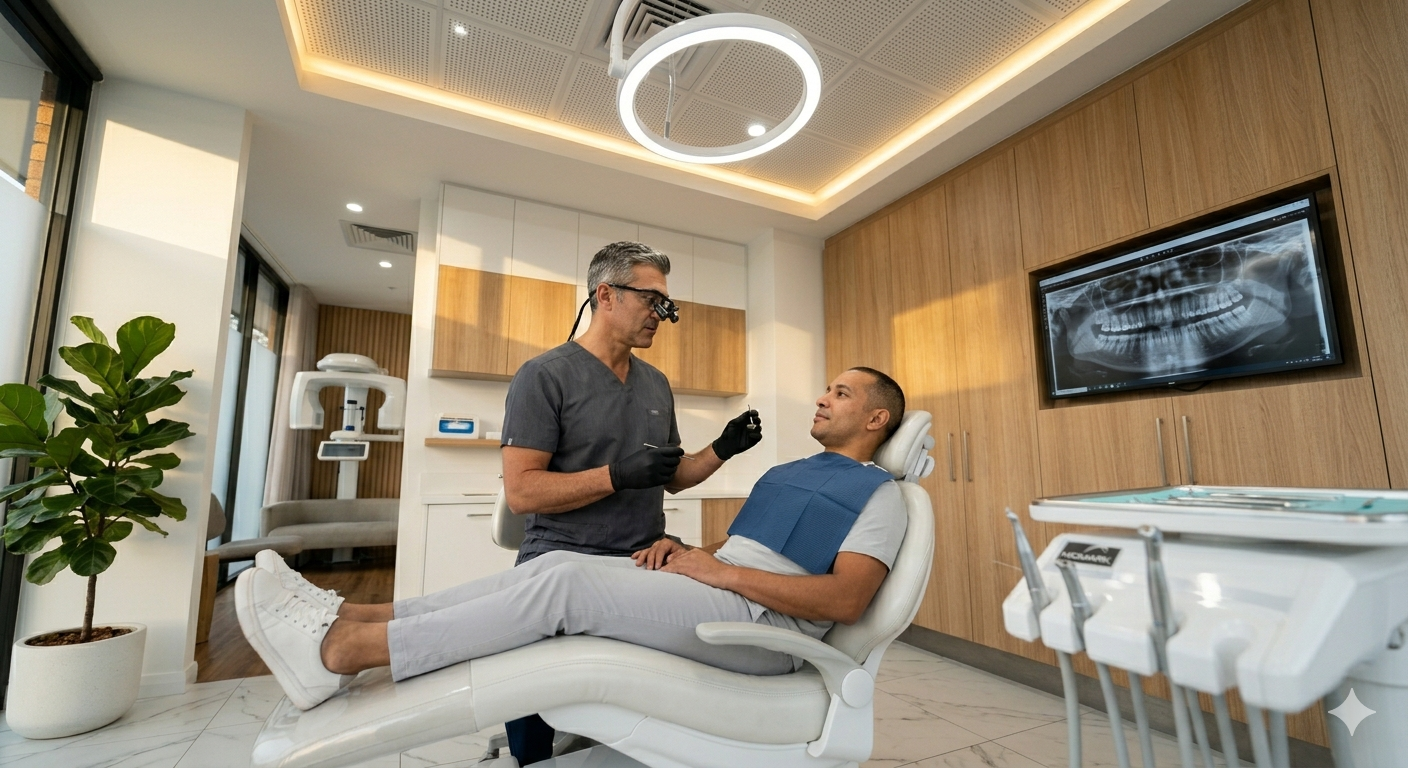
Invisalign Brooklyn NY: Comfortable, Clear Braces for a Confident Smile
If someone in Brooklyn is considering straightening their teeth without the hassle of traditional braces, Invisalign offers a clear and comfortable solution. This modern orthodontic option uses nearly invisible aligners that fit snugly over the teeth, making it easier to maintain a natural look and daily routine.
Invisalign in Brooklyn, NY, provides effective teeth alignment with removable, custom-made trays that are designed for comfort and convenience. Many patients appreciate the flexibility to eat, drink, and brush normally while still working toward a healthier smile.
With specialists familiar with Brooklyn’s unique needs, patients can expect personalized care that balances modern technology with gentle, expert guidance. Exploring Invisalign means considering a treatment that fits both lifestyle and dental health goals, inviting anyone curious to learn more and take the next step.
Understanding Clear Aligners
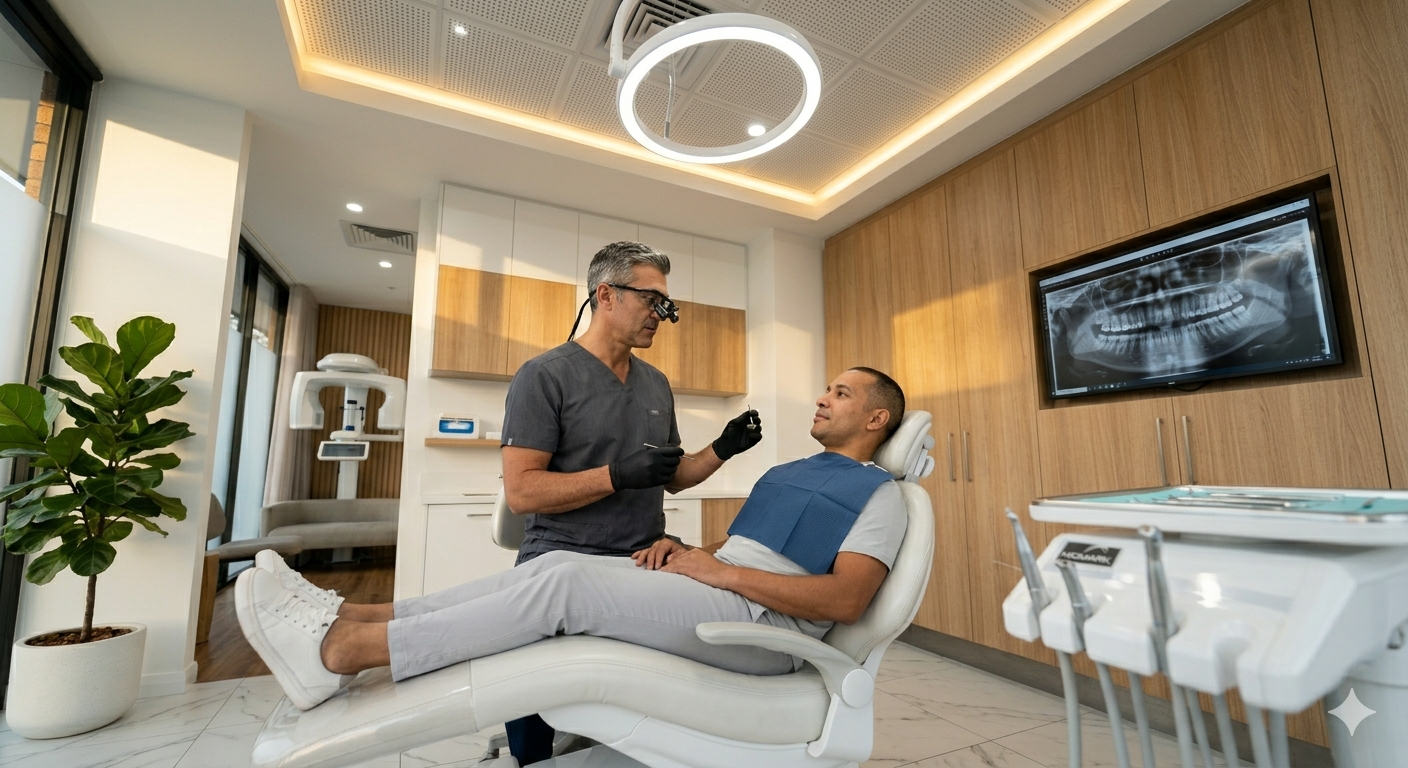
Clear aligners gently shift teeth into place using a series of custom-made trays. They offer a modern alternative to braces, designed for comfort, convenience, and discreet treatment. Patients benefit from removability, easier cleaning, and fewer office visits.
How Clear Aligners Work
Clear aligners are made from smooth, BPA-free plastic molded precisely to fit a patient’s teeth. Each set applies controlled pressure on specific teeth, gradually moving them over time. Typically, a new set is worn every one to two weeks.
The process starts with a digital scan or impression, which helps create a 3D treatment plan. This plan predicts each stage of tooth movement until the desired position is reached. Patients wear aligners for 20-22 hours daily, removing them only for eating or brushing.
Aligners are nearly invisible, which helps people feel more confident during treatment. Because they are designed for gradual adjustments, they often cause less discomfort compared to shifting teeth with braces.
Benefits of Removable Orthodontics
One of the biggest advantages of clear aligners is their removability. Patients can easily take them out for meals, which means no food restrictions like with traditional braces. This makes it easier to maintain good oral hygiene.
Removability also allows for normal brushing and flossing routines, reducing the risk of cavities and gum problems during the treatment. It offers greater flexibility for daily life, such as playing sports or attending social events.
Patients often report fewer emergency dental visits since there are no brackets or wires to break. This convenience improves overall comfort and reduces interruptions in treatment progress.
Comparing Traditional Braces to Aligners
Traditional braces use metal brackets and wires to move teeth, which are fixed to the teeth for the duration of treatment. Aligners, on the other hand, are clear and removable plastic trays. This difference impacts comfort and maintenance.
Braces may cause more irritation to the gums and cheeks, while aligners have smooth edges that reduce discomfort. Brackets can trap food, making cleaning more challenging, often requiring special tools to avoid plaque buildup.
Braces typically require more frequent visits for adjustments. Aligners allow for longer intervals between appointments since patients switch trays themselves. However, complex dental issues may still call for braces to achieve optimal results.
Who Can Benefit From This Treatment?
Invisalign is designed to help a wide range of people improve their smiles comfortably and discreetly. It suits many who want effective correction without traditional braces. Knowing who fits Invisalign best can guide you toward the right choice for your dental needs.
Ideal Candidates
Invisalign works well for teens and adults who have mild to moderate teeth alignment issues. Those with good oral hygiene and healthy gums typically see the best results. It’s perfect for someone who prefers a nearly invisible option and is motivated to wear aligners for 20-22 hours daily.
People with jobs or lifestyles that favor discreet appearance find Invisalign appealing. Also, patients who have previously worn braces but notice slight shifts can benefit. However, younger children or people with severe jaw problems may need other treatments.
Common Dental Concerns Addressed
Invisalign effectively treats crooked teeth, gaps, overcrowding, and mild bite issues like overbite or underbite. The aligners gently guide teeth into better positions over several months. Many notice improvements in smile symmetry and oral function.
Patients dealing with spacing problems or teeth that have shifted after braces often regain alignment with Invisalign. It can also reduce difficulties in cleaning crowded areas, lowering the risk of cavities and gum disease. The removable nature helps maintain oral hygiene easier than fixed braces.
Understanding Limitations
While versatile, Invisalign cannot solve all orthodontic problems. Severe bite issues or large jaw discrepancies usually require traditional braces or surgical intervention. Complex tooth movements, like major rotations or vertical repositioning, might also be outside its scope.
Compliance is critical—patients must wear the aligners most of the day to see progress. Invisalign may not suit those unwilling to follow instructions or for dental conditions like active gum disease. A thorough dental exam is essential to determine if Invisalign is appropriate.
Step-by-Step Look at the Treatment Process
Getting Invisalign in Brooklyn involves several clear stages, each designed to ensure the aligners fit well and move teeth safely. From the first checkup to the follow-up visits, the process is straightforward and tailored to the patient’s needs.
Initial Consultation and Assessment
During the initial visit, the dentist examines the teeth and bite to see if Invisalign is the right option. They often use digital scans instead of traditional molds, making the experience quicker and more comfortable.
The dentist discusses the patient’s dental history, concerns, and desired results. This meeting helps set realistic expectations. Photos and X-rays may also be taken for a thorough evaluation of alignment and oral health.
This step ensures a detailed understanding of each patient’s unique smile goals and any dental issues that might affect treatment.
Customized Treatment Planning
Once the assessment is complete, the dentist creates a personalized treatment plan using special 3D imaging software. This plan shows how the teeth will gradually move and the estimated treatment length.
Patients receive a detailed preview of their tooth movement, so they know what changes to expect. The dentist can adjust plans if needed, aiming for the best alignment with the least discomfort.
Based on this plan, a series of custom-made, clear aligners are produced, designed to be worn 20-22 hours daily.
What to Expect During Each Visit
Follow-up visits usually happen every 6-8 weeks to monitor progress and provide the next set of aligners. The dentist checks that teeth are moving correctly and addresses any concerns.
These appointments are brief and focused. Sometimes, attachments (small tooth-colored buttons) might be placed to help the aligners grip better.
The patient should maintain good oral hygiene and wear the aligners consistently for the treatment to work as planned. Adjustments made during visits keep the process smooth and on track.
Life With Aligners in Brooklyn
Wearing Invisalign aligners fits smoothly into most lifestyles, but it does require some adjustments. Handling daily habits and staying on top of oral care are key to successful treatment.
Adapting to Daily Routines
Patients often need a few days to get used to speaking and wearing the aligners comfortably. The clear plastic can feel tight at first, but this sensation usually fades as the mouth adjusts.
Removing aligners while talking or socializing in Brooklyn’s lively settings might seem awkward at first. It helps to carry a small case for when eating or drinking to avoid losing or damaging them.
Wearing aligners for 20-22 hours daily is essential. People find setting alarms or keeping a reminder note helpful to ensure they don’t stay out too long. Many Brooklyn residents also appreciate the ability to remove them for important events, which can boost confidence.
Eating, Drinking, and Oral Hygiene Tips
Aligners must be removed for meals to prevent staining and warping. This means snack times may require a little more planning, especially when grabbing food on the go around Brooklyn.
Drinking water with aligners in is safe, but avoid colored or sugary drinks as they can discolor the trays and cause decay. Carrying a travel toothbrush and floss keeps teeth clean after meals before reinserting the aligners.
A simple daily routine includes brushing teeth thoroughly, flossing, and rinsing the aligners gently with cool water or special cleaning crystals. Brooklyn patients often find these habits quick to adopt once they see the positive impact on their oral health and treatment progress.
Choosing the Right Provider in Brooklyn NY
Finding the right Invisalign provider means considering both skill and communication. It’s important to look for specific expertise in clear aligner treatments and to feel comfortable asking questions before committing.
Qualities of an Experienced Dentist
An experienced Invisalign provider in Brooklyn should have completed specialized training in clear aligner therapy. Certifications from Invisalign and a track record of successfully treating a variety of cases should be visible.
Look for a dentist who offers personalized treatment plans based on thorough diagnostics, including digital scans and X-rays. This shows attention to detail and a commitment to effective results. Positive patient reviews and before-and-after photos can provide insight into the provider’s skill and consistency.
Additionally, a good provider emphasizes patient comfort throughout the process. They will explain each step clearly and remain accessible for follow-ups or concerns.
Questions to Ask at Your Consultation
During the first visit, patients should ask how many Invisalign cases the provider has handled. Knowing their experience with cases similar to your own—such as crowding, spacing, or bite issues—is essential.
It’s also helpful to inquire about the expected treatment timeline and how often visits are required. Ask what technologies are used for treatment planning and if they offer options like 3D imaging or remote monitoring.
Clarify insurance and payment plans upfront. Discussing potential discomfort and aftercare support will help set realistic expectations. Finally, ask how the provider handles adjustments if the treatment isn’t progressing as planned.
Success Stories From Brooklyn Patients
Many patients in Brooklyn have found Invisalign to be a comfortable and effective way to improve their smiles. One patient, Maria, shared how the clear aligners fit into her busy lifestyle without interrupting her daily routine. She appreciated that the treatment was nearly invisible and easy to clean.
Another success story is James, who was initially hesitant about orthodontic work as an adult. He found Invisalign to be a discreet option that didn’t affect his professional appearance. After months, his teeth showed noticeable improvement, boosting his confidence.
Here’s a quick look at some common benefits Brooklyn patients have experienced:
| Benefit | Description |
|---|---|
| Comfort | Smooth aligners that feel less invasive |
| Appearance | Nearly invisible, allowing treatment without stigma |
| Convenience | Removable for eating and cleaning |
| Predictable Results | Customized plans with regular progress checks |
Patients often mention how their dental team in Brooklyn makes them feel supported throughout treatment. From initial consultation to follow-ups, this personalized care helps ease any worries.
For anyone considering Invisalign, hearing real stories like these shows that modern orthodontic treatment can fit into daily life easily. Taking that first step with a local professional can make a big difference.
Caring for Your Aligners and Smile
Maintaining Invisalign aligners properly helps avoid staining and ensures your teeth move as planned. Keeping a clean mouth and wearing aligners consistently supports the best results.
Cleaning and Maintenance
Patients should rinse aligners every time they remove them to prevent saliva buildup. Brushing the trays gently with a soft toothbrush and clear, antibacterial soap removes food particles and plaque.
Avoid toothpaste when cleaning aligners, as it can be abrasive and cause scratches or cloudiness. Soaking aligners daily in a recommended cleaner, such as Invisalign cleaning crystals or denture cleaner, keeps them fresh and odor-free.
Always store aligners in their case to protect them from damage or loss. Avoid exposing them to heat, which can warp the plastic. Regularly inspect aligners for cracks or discoloration and consult the dentist if issues arise.
Ensuring Lasting Results
Wearing aligners for 20-22 hours daily is crucial to keep teeth on track. Removing them only for eating, drinking (other than water), and cleaning maximizes treatment efficiency.
Patients should maintain good oral hygiene by brushing and flossing after every meal before reinserting aligners. This reduces the risk of cavities and gum irritation.
After treatment ends, wearing retainers as instructed prevents teeth from shifting back. Regular dental visits during and after Invisalign treatment help monitor progress and address concerns promptly.
Investment and Flexible Payment Options
Choosing Invisalign in Brooklyn involves understanding the financial commitment and exploring ways to make treatment manageable. Patients can weigh cost factors and available payment assistance to find an option that fits their budget.
Cost Considerations
Invisalign treatment typically ranges from $3,500 to $7,500 in Brooklyn, depending on the complexity of the case. Mild adjustments cost less, while full smile makeovers require a higher investment due to longer treatment time and more aligners.
Factors that influence price include the number of aligners needed, office location, and if additional dental work is necessary before starting. Many providers offer free initial consultations, so patients can receive a personalized treatment plan with an exact quote.
Understanding these details helps patients prepare financially and avoid surprises. Treating early or less severe issues often keeps costs lower, making early visits worthwhile.
Insurance and Financing
Some dental insurance plans cover part of Invisalign, considering it orthodontic treatment. Coverage varies widely, so patients should verify benefits with their insurer before starting.
Flexible financing options, like monthly payment plans or third-party lenders such as CareCredit, allow spreading the cost over time without upfront burden. These plans often include low or zero-interest terms, depending on credit approval.
Providers in Brooklyn frequently work directly with financing companies to simplify the process. Patients are encouraged to ask about all available payment methods to pick what works best for their budget and comfort level.
Next Steps Toward Your Best Smile
Starting Invisalign in Brooklyn, NY begins with a simple consultation. At this appointment, the dentist will examine teeth and discuss goals to ensure Invisalign is the right fit.
Afterward, digital scans or impressions of the teeth are taken. These create a precise treatment plan showing how the teeth will gradually shift over time.
Patients receive a series of clear aligners to wear daily. Each set moves teeth slightly, usually replaced every 1-2 weeks. Wearing them as directed is key for steady progress.
Regular check-ins with the dentist monitor how the treatment is advancing. These visits allow for adjustments and new aligners to be provided.
For the best results, patients should wear aligners 20-22 hours daily, remove them only for eating or cleaning, and maintain good oral hygiene. This helps keep teeth healthy and ensures the process stays on track.
If you are curious about Invisalign or want to learn more, reaching out for a consultation can clear up any questions. The path to a confident smile can start with one easy step.
Frequently Asked Questions
Understanding the costs, treatment details, and daily experience with clear aligners helps patients feel confident about choosing Invisalign. It’s important to know how aligners compare to braces, the typical timeline, and how to handle any issues that come up during treatment.
How much does clear aligner treatment typically cost, and what factors affect the price?
Clear aligner treatment in Brooklyn typically ranges from $3,000 to $7,000. The exact price depends on the complexity of the case, length of treatment, and whether additional dental work is needed.
Insurance coverage, the provider’s experience, and any customization also influence cost. A thorough evaluation helps give a more accurate estimate.
What’s included in the treatment fee—consultation, retainers, refinements, and follow-up visits?
Most treatment fees include the initial consultation, digital scans or impressions, the clear aligners themselves, and follow-up appointments.
Retainers after treatment are often part of the package, but some offices may charge separately for refinements or additional trays if needed. Clear communication with the provider about what’s included avoids surprises.
How do clear aligners compare to braces for comfort, appearance, and day-to-day life?
Clear aligners are made of smooth plastic and tend to cause less irritation than traditional braces. They are nearly invisible, so people notice them less.
Aligners are removable, which means eating and brushing are easier. However, they require discipline to wear at least 20-22 hours a day.
How long does treatment usually take, and how often will I need check-ins?
Treatment generally lasts 12 to 18 months, but some cases can be shorter or longer. Patients usually have a check-in every 6 to 8 weeks to monitor progress and receive new aligners.
Regular visits ensure any adjustments happen on time, keeping the treatment on track.
Can clear aligners help with jaw discomfort or TMJ symptoms, and when should I see a specialist?
Clear aligners can sometimes improve mild jaw discomfort by realigning teeth and bite. However, significant TMJ symptoms need evaluation by a specialist.
If pain, clicking, or difficulty opening the jaw persists, a referral to a TMJ expert is advisable.
What should I do if I lose a tray, a tray doesn’t fit, or I’m not tracking as expected?
If a tray is lost, contact the dentist promptly to get a replacement to avoid disrupting treatment.
For a tray that doesn’t fit well, avoid forcing it and arrange a visit to check the fit. If progress seems slow or uncomfortable, a reassessment can help keep treatment moving smoothly.
Contact Us For A Free Consultation
Copyright © All Rights Reserved
Created by DDS Marketing