24 Hour Dentist Brooklyn NY — Emergency Care, Comfort-Focused Treatments, and After-Hours Appointments
When a sudden toothache, broken crown, or knocked-out tooth happens at 2 a.m., you want care that doesn’t wait until morning. You can find 24-hour dentists in Brooklyn who treat urgent problems immediately and help you avoid pain, infection, and costly complications.
This article explains how around-the-clock dental services work in Brooklyn, what treatments are available at any hour, and how to choose a trustworthy urgent-care dentist near you. It also highlights ways to stay comfortable during an emergency and steps to prevent future visits, so you feel prepared no matter when trouble strikes.
Understanding Dental Emergencies
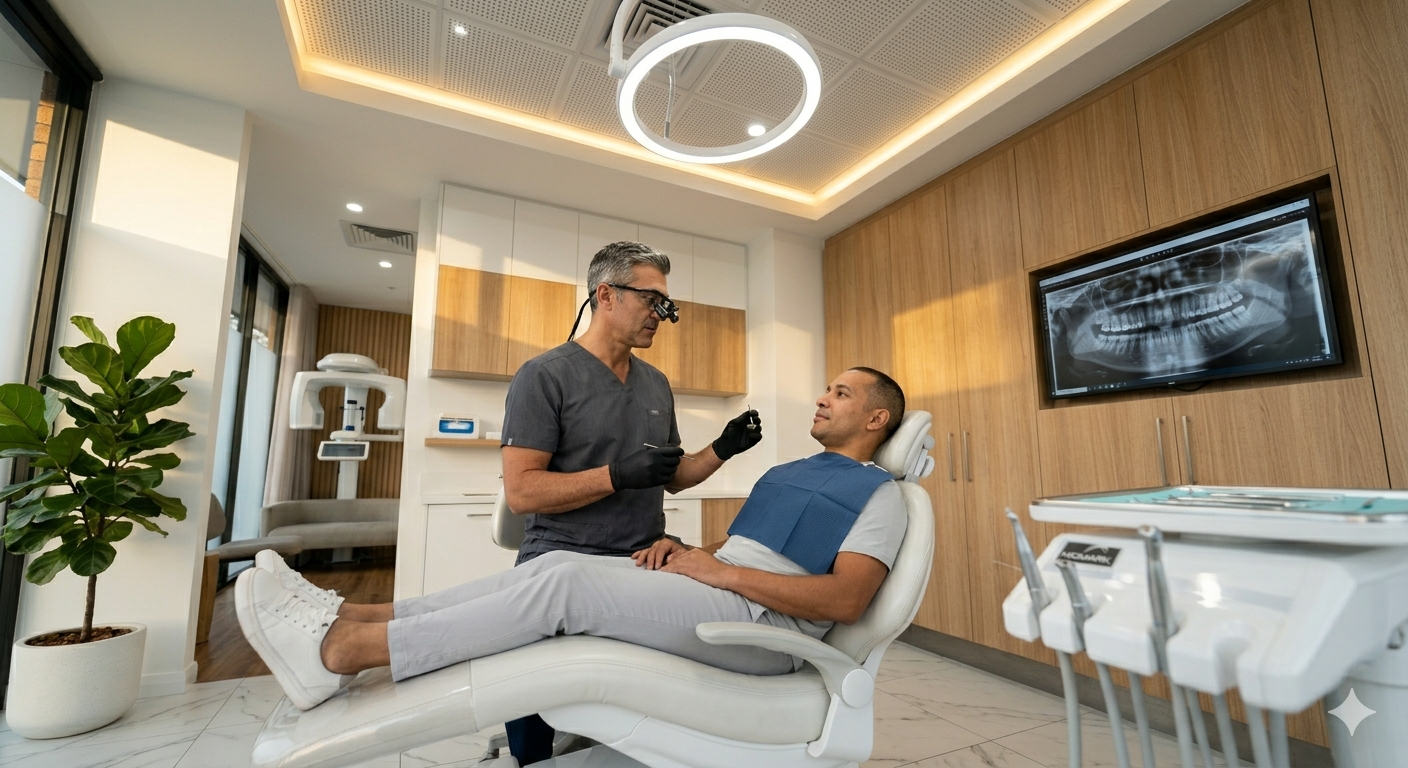
Dental emergencies can involve sudden pain, broken teeth, or injuries that threaten function and appearance. Quick recognition and timely action reduce risk of infection, permanent damage, and more extensive treatment.
Common Urgent Dental Issues
Tooth fractures range from small chips to cracks that extend into the root. A fractured tooth often causes sharp pain when biting, sensitivity to hot or cold, and visible jagged edges. Treatment varies from smoothing and bonding for minor chips to root canal and crown for deep cracks.
Severe tooth pain usually signals infection or nerve involvement. Pain that wakes a patient at night or persists despite over-the-counter analgesics often needs antibiotics and definitive dental treatment. Abscesses present with swelling, throbbing pain, and sometimes fever.
Knocked-out (avulsed) teeth require immediate action. If a permanent tooth is replanted or kept moist and brought to the dentist within 60 minutes, the chance of saving it increases. Primary (baby) teeth should not be replanted; instead, bring the child to the dentist promptly.
Lost fillings or crowns expose dentin and can cause sensitivity, pain, or decay progression. Temporary dental cement or a small piece of sugarless gum can protect the tooth until the dentist can place a new restoration.
Signs You Need Immediate Care
Intense, unrelenting pain that prevents sleep or normal activities signals a need for prompt evaluation. If over-the-counter pain relief fails within a few hours, or if pain escalates rapidly, the patient should seek emergency dental care.
Visible facial swelling, especially when one side of the face bulges or skin becomes red and warm, indicates potential spreading infection. Any swelling that affects breathing, swallowing, or the ability to open the mouth warrants ambulance transport or an emergency department visit.
Profuse bleeding that doesn’t stop after 15–20 minutes of firm pressure requires urgent attention. This includes bleeding after an extraction, trauma, or spontaneously from the gums, particularly in patients on blood thinners.
Trauma with loosened, displaced, or broken teeth after sports or accidents needs quick assessment. Loss of consciousness, head injury signs, or persistent dizziness with dental trauma should prompt emergency medical evaluation as well.
When to Seek an Emergency Dentist
Contact an emergency dentist immediately for uncontrolled pain, signs of spreading infection, or avulsed permanent teeth. Many 24-hour dental practices offer same-day evaluations and can provide pain management, antibiotics, or temporary restorations.
For swelling that threatens airway or causes difficulty breathing, go to the nearest emergency department first. Dentists coordinate with hospitals for IV antibiotics or surgical drainage when required, but airway safety takes priority.
For non-life-threatening urgent issues — lost crown, acute localized pain, or a chipped tooth — call the dental office for guidance and an appointment within 24 hours. The dentist will advise home care steps: rinse with warm salt water, apply cold compresses, and avoid chewing on the affected side until seen.
Around-the-Clock Dental Services in Brooklyn
Brooklyn offers several clinics that provide 24/7 access to dentists for true emergencies, after-hours pain, and urgent restorative needs. These clinics combine on-site dentists, X‑ray capability, and connections to local hospitals or specialists when advanced care is needed.
How 24/7 Dental Clinics Operate
Most 24/7 dental clinics in Brooklyn staff dentists in rotating shifts so a licensed clinician is available any hour. Clinics typically maintain on-site digital X‑rays, sterile procedure rooms, and a basic supply of emergency pain relief, antibiotics, and temporary restorative materials.
Some clinics operate as full-service urgent care dental centers; others use an on-call model where a dentist comes in after hours. Patients should confirm whether a clinic accepts walk-ins or requires an appointment, and whether they have sedation options for severe anxiety. Many clinics also coordinate referrals to oral surgeons for complex extractions or hospital admission when needed.
What to Expect During Late-Night Visits
Patients arriving late at night can expect a focused evaluation: history of the problem, pain assessment, and targeted oral exam. Staff usually take a digital X‑ray if needed, then provide immediate measures such as tooth-splinting, temporary crowns, pulpotomy, or pain-control injections.
If definitive treatment isn’t possible then, staff will stabilize the condition, prescribe medication, apply temporary restorations, and schedule follow-up during regular hours. Administrative staff will document the visit, provide written aftercare instructions, and explain the next steps, including how to reach the clinic if symptoms worsen overnight.
Insurance and Payment Options
Many 24/7 Brooklyn clinics accept major private insurances and Medicaid; each clinic posts participating plans on its website or answers coverage questions by phone. Patients should verify emergency coverage, co‑pays, and whether out‑of‑network fees apply before treatment when possible.
Clinics often accept cash, credit cards, and payment plans for larger procedures. For uninsured patients, expect written estimates and options such as sliding-scale fees, dental discount plans, or referral to community clinics for lower-cost follow-up care.
Patient Experience and Comfort
The practice prioritizes quick relief, modern gentle techniques, and a calm environment so patients feel safe and informed from first contact to follow-up. Staff explain options clearly, offer pain-control choices, and create a welcoming space for adults and children.
Approach to Pain Relief
They begin with a concise assessment to identify urgency and pain source within minutes of arrival. For acute toothache or trauma, clinicians use targeted local anesthesia and, when appropriate, a single-visit root canal or extraction to resolve the main pain before scheduling restorative work.
For patients with dental anxiety, the office offers oral sedation (low-dose benzodiazepine), nitrous oxide for minimal-to-moderate sedation, and IV sedation administered by licensed practitioners when needed. Each option includes pre-visit screening, clear instructions about fasting and escort requirements, and a written consent form.
Pain management plans include non-opioid analgesics, topical anesthetics for soft-tissue pain, and prescriptions only when clinically necessary. They follow CDC-aligned prescribing practices and provide a follow-up call within 24–48 hours to adjust medications or address complications.
Modern Technology for Gentle Care
They use digital X-rays and CBCT scans to reduce radiation and pinpoint problems faster, which shortens procedure time and improves accuracy. Intraoral cameras let patients see the issue on-screen, helping clinicians explain treatment steps and expected sensations in plain language.
Laser dentistry and piezoelectric devices reduce trauma for soft-tissue and bone procedures, lowering swelling and speeding recovery. Computer-controlled local anesthesia (C-CLAD) systems deliver consistent, slower injections that patients often describe as less painful.
Same-day crowns via CAD/CAM milling and 3D-printed surgical guides decrease chair time and the number of visits. The practice sterilizes instruments to CDC standards and uses single-use disposables where practical to protect patient safety.
Supportive Atmosphere for All Ages
The waiting area and treatment rooms are arranged to minimize stress: comfortable seating, calm lighting, and distraction options like music or streaming content. Reception staff confirm insurance details and estimate costs up front, reducing financial surprises that increase anxiety.
Pediatric visits emphasize gentle language, parental involvement, and behavior management techniques such as “tell-show-do.” For older adults, clinicians review medications and medical history to avoid interactions and tailor anesthetic choices.
Bilingual staff or interpreter services are often available to ensure clear communication. They schedule extra time for patients who need it—first-time visitors, those with mobility challenges, or people with special needs—so care proceeds without rush.
Types of Treatments Available Day and Night
Emergency dental clinics in Brooklyn offer immediate care for pain, trauma, and failed restorations using the same clinical tools and materials available during regular hours. Patients can expect rapid assessment, pain control, and either definitive treatment or a clear short-term plan to stabilize the tooth.
Managing Toothaches and Infections
Dentists evaluate tooth pain with a focused exam, percussion and bite tests, and, when needed, digital X-rays to pinpoint the cause quickly. If the pain comes from an infected pulp, they may perform a same-day root canal on posterior or anterior teeth, using local anesthesia and rubber dam isolation to control infection and pain.
For abscesses or spreading infection, clinicians often prescribe antibiotics and drain localized collections; incision and drainage can be done in-office to relieve pressure. Pain control includes NSAIDs, acetaminophen, or short-acting narcotics when necessary, paired with definitive treatment scheduling. Follow-up visits check healing, complete root canal therapy if staged, or arrange extraction and definitive prosthetic replacement when the tooth cannot be saved.
Repairing Broken or Chipped Teeth
Minor chips typically receive smoothing and direct composite bonding in one visit, matching shade and contour for an immediate cosmetic fix. Larger fractures that affect biting surfaces or cusps may require a temporary resin build-up followed by a same-week or next-day crown, depending on pulpal involvement.
If a fracture exposes or traumatizes the pulp, dentists stabilize the tooth, apply a protective pulp cap or perform emergency root canal therapy, and place a protective restoration. For vertical root fractures or non-restorable breaks, extraction and prompt discussion of implants, bridges, or removable options occur, with temporary prosthetics provided when appropriate.
Solutions for Lost Fillings or Crowns
A lost filling or crown creates sensitivity, food trapping, and risk of decay; clinicians prioritize protection and contamination control first. Small dislodged fillings are often replaced with composite restorations the same day, restoring form and function with adhesive bonding techniques.
A lost crown can sometimes be recemented if it is intact and the underlying tooth is not severely decayed; the dentist cleans the crown, adjusts fit, and uses a resin cement for temporary or permanent recementation. When the crown is damaged or the tooth structure insufficient, the provider will fabricate a new crown, offer a temporary protective restoration, and schedule definitive lab-based crown delivery within days, explaining options like porcelain-fused-to-metal, zirconia, or full ceramic based on strength and aesthetics.
Finding Reliable Urgent Dental Help in Your Neighborhood
Reliable urgent dental care means prompt appointments, clear pricing, and staff who calm pain quickly. Look for clinics that combine clinical competence with convenient hours, written estimates, and straightforward communication.
Qualities of a Trustworthy Local Practice
A trustworthy urgent dental practice has licensed dentists who list credentials and emergency experience on their website. They display state license numbers and specialties, such as endodontics for root canals or oral surgery for extractions.
Prompt access matters: same‑day or after‑hours appointments, short wait times, and a dedicated emergency phone line reduce stress. The office should describe pain‑management options—local anesthesia, short‑acting oral meds, or referral pathways for intravenous sedation when necessary.
Transparent pricing and insurance guidance protect patients from surprise bills. Look for written estimates, clear co‑pay explanations, and staff who accept major insurers or guide uninsured patients to payment plans. Clean, modern facilities with up‑to‑date imaging (digital X‑rays, CBCT if needed) signal investment in accurate diagnosis and efficient treatment.
Tips to Choose the Right Provider
Start with specific questions: “Do you offer same‑day emergency slots?” and “Which dentists handle endodontic emergencies?” Call the office to judge responsiveness and clarity of answers. Responsive staff who explain steps and expected wait times indicate good patient communication.
Check local patient reviews for common themes: consistent praise for pain relief, clear pricing, and punctuality outweigh isolated complaints. Verify reviews against the state dental board for any disciplinary actions.
Bring practical items: a list of current medications, recent dental records or X‑rays, and insurance information to speed triage. Confirm post‑treatment follow‑up policies—does the clinic schedule a non‑urgent visit with the regular dentist or provide written aftercare instructions? These details help ensure continuity of care and a smoother recovery.
Preventive Steps and Long-Term Oral Health
Daily habits and timely professional care lower the chance of emergency visits and preserve teeth for years. Small, specific actions — like using a soft-bristled brush, wearing a night guard, or scheduling semiannual cleanings — make measurable differences.
How to Reduce Emergency Risk
They should use a soft-bristled toothbrush and fluoridated toothpaste twice daily to prevent decay that commonly leads to urgent pain. Flossing once a day removes interdental plaque that can cause abscesses; interdental brushes work best for wide spaces or braces.
Avoid hard foods (ice, unpopped popcorn kernels) and open containers with teeth to reduce fractures. Wear a properly fitted mouthguard during contact sports and a custom night guard for grinding; both lower the risk of chips, crowns failing, and emergency fractures.
Address small problems early: call a dentist at the first sign of persistent sensitivity, swelling, or a loose restoration. Maintaining current x-rays and restoring cracked or deeply filled teeth promptly prevents acute infections that often require 24-hour intervention.
Importance of Regular Checkups
They should book professional cleanings and exams every six months, or more often if instructed for high-risk conditions like diabetes or periodontal disease. Hygienists remove calculus that brushing can’t, lowering inflammation and the chance of bone loss that leads to tooth mobility.
Routine exams include bite and restoration checks; dentists can spot hairline cracks, failing fillings, or early cavities before they become emergencies. Periodic x-rays catch decay between teeth and under crowns, allowing minimally invasive treatment rather than extractions.
Patients with chronic conditions should follow individualized maintenance schedules and take recommended preventive treatments such as fluoride varnish or sealants. Consistent follow-up builds a record that helps the dentist treat problems earlier and tailor care to reduce future urgent visits.
Community Support and Resources
Local dental clinics and emergency centers in Brooklyn often partner with community organizations to expand access to care. They provide extended hours, sliding-scale fees, and language-access services to help people find timely treatment.
Nonprofits and health centers offer low-cost or free screenings during health fairs and school events. These programs emphasize preventive care like cleanings and sealants to reduce future emergencies.
Many practices maintain patient education resources, including brochures, videos, and community workshops. These materials explain pain management, aftercare, and when to seek urgent attention in clear, simple terms.
Brooklyn residents can use these quick references to find care:
- 24-hour clinic hotlines for immediate triage.
- Community health centers for affordable follow-up.
- Dental schools offering supervised treatment at reduced rates.
Insurance navigators and social workers at clinics help with benefits, payment plans, and referrals. They guide patients through prior authorizations and Medicaid or Marketplace coverage options.
For non-English speakers, clinics often provide interpreters or bilingual staff. This support reduces misunderstandings and speeds up treatment during stressful situations.
Patients are encouraged to call ahead when possible, bring a list of medications, and note symptoms clearly. Reaching out early helps clinicians provide effective, timely care and eases anxiety about dental emergencies.
Frequently Asked Questions
This section answers common urgent-dental concerns in clear, practical steps. It covers immediate pain relief, walk-in policies, red-flag symptoms, insurance and payment options, and when to use an ER.
I have a sudden toothache late at night—what should I do first to ease the pain safely until I’m seen?
Rinse the mouth with warm salt water to reduce bacteria and soothe tissues. Use a cold compress on the cheek for 10–15 minutes to lower swelling and pain.
Take acetaminophen or ibuprofen as directed on the label unless contraindicated; avoid placing aspirin directly on the gum. Do not try to remove deeply stuck fragments or force a loose tooth back in place.
Elevate the head while resting to reduce throbbing. If there is fever, spreading swelling, or difficulty breathing or swallowing, seek immediate care.
Can I come in as a walk-in for an urgent dental problem, or do I need to call ahead?
Many 24-hour dental clinics accept walk-ins for true emergencies but calling first speeds triage and reduces wait time. Calling also lets staff advise whether immediate transport or ER care is safer.
If the dentist is treating another emergency, the clinic will schedule the next available slot; calling helps secure that slot. For late-night visits, confirm the clinic’s after-hours protocol first.
What symptoms mean I should seek urgent dental care right away versus waiting until morning?
Seek immediate care for uncontrolled bleeding, severe pain unrelieved by medication, rapidly spreading facial swelling, difficulty breathing or swallowing, or signs of systemic infection like high fever. These symptoms can indicate serious infection or airway compromise.
Mild discomfort, increased sensitivity without swelling, or a small lost filling can usually wait until morning. Still, if pain worsens overnight or medication doesn’t help, contact an urgent clinic.
Do you accept Medicaid or Healthfirst for emergency dental visits, and what should I bring with me?
Some Brooklyn urgent dental clinics accept Medicaid and Healthfirst for emergency visits, but acceptance varies by practice. Call the clinic beforehand or check its website to confirm participation.
Bring a photo ID, your Medicaid or Healthfirst card, and any referral or prior dental records if available. If you don’t have proof of coverage, the clinic can explain estimated self-pay costs and possible charity programs.
If I don’t have dental insurance, what are my options for getting urgent treatment and understanding the cost upfront?
Clinics often offer a pay-as-you-go emergency exam fee and provide written estimates for treatment before proceeding. Ask for a breakdown of costs for exams, X-rays, extractions, and follow-up care.
Community health centers and dental schools may offer lower-cost urgent care. Many practices also accept major credit cards, CareCredit, or set up short-term payment plans.
Should I go to a hospital emergency room for a dental issue, and what can they actually do for tooth pain or swelling?
Go to the ER if there is severe facial swelling causing breathing or swallowing difficulty, uncontrolled bleeding, or signs of systemic infection. ERs stabilize airway and infections, give IV antibiotics and pain control, and rule out life-threatening problems.
ERs usually cannot perform definitive dental treatments like root canals or extractions and will refer patients to dental clinics. After ER stabilization, follow up with a dental urgent-care provider the same or next day.
Contact Us For A Free Consultation
Copyright © All Rights Reserved
Created by DDS Marketing