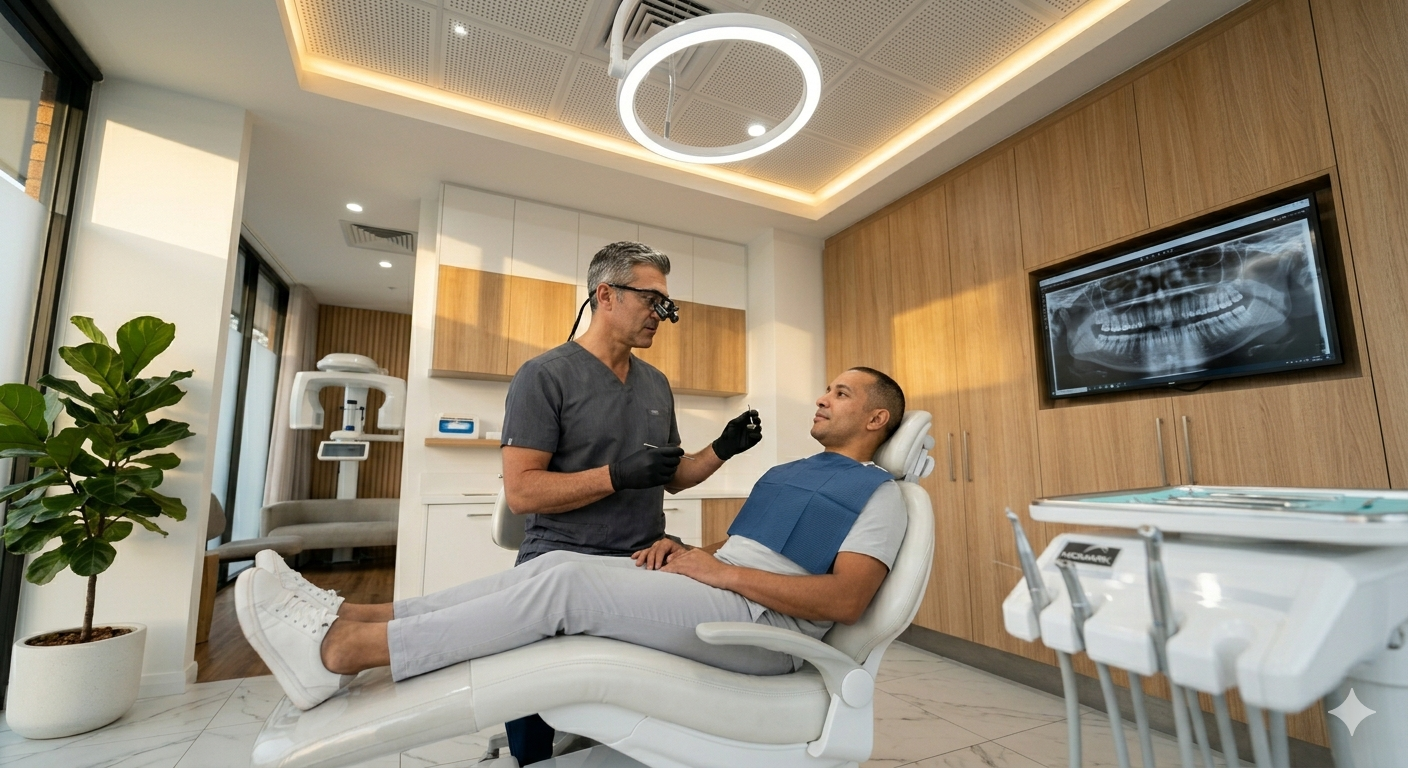
Cosmetic Dentist Brooklyn NY — Expert, Comfortable Smile Makeovers and Preventive Care
Thinking about a cosmetic dentist in Brooklyn, NY? They can transform your smile with tailored treatments—teeth whitening, veneers, clear aligners, and implant restorations—while keeping comfort and long-term oral health front and center. A skilled Brooklyn cosmetic dentist will assess your goals, suggest minimally invasive options, and create a treatment plan that fits your lifestyle and budget.
You’ll learn how personalized smile assessments, modern straightening methods, advanced tooth-replacement solutions, and anxiety-free care come together to give predictable, lasting results. This article explains each option in clear terms, helps you weigh pros and cons, and points toward practical next steps for scheduling a consult or asking the right questions.
Understanding Cosmetic Dentistry
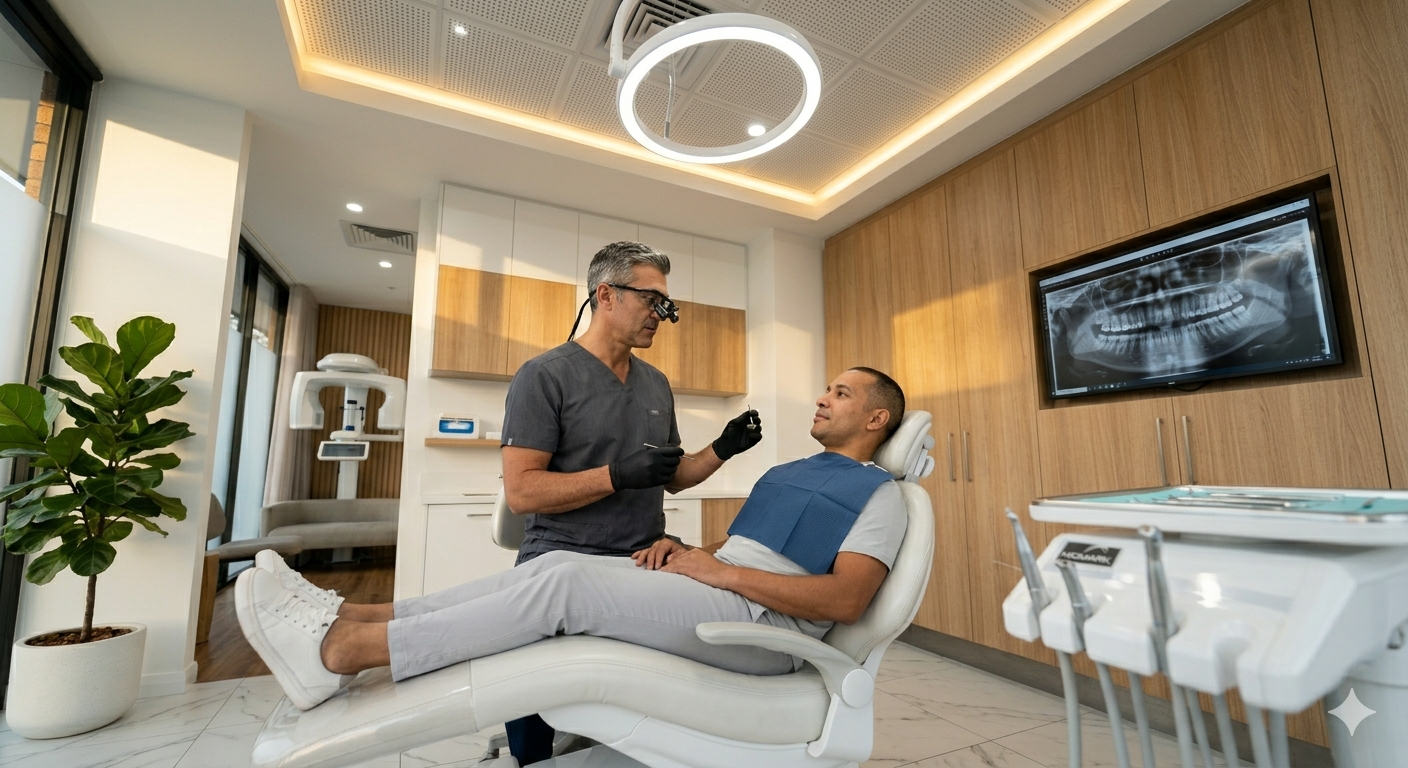
Cosmetic dentistry improves the appearance of teeth, gums, and bite using targeted procedures. It balances aesthetics with function, emphasizing minimally invasive options and patient comfort.
What Cosmetic Dental Treatments Involve
Cosmetic treatments address color, shape, alignment, and missing teeth. Common procedures include professional whitening to remove stains, porcelain veneers to reshape and cover imperfections, and dental bonding for small chips or gaps. Each option varies in longevity and cost; for example, in-office whitening acts quickly but may require touch-ups, while porcelain veneers typically last 10–15 years with proper care.
Restorative-focused cosmetic care includes tooth-colored composite or ceramic crowns to restore damaged teeth and implant-supported crowns for single-tooth replacement. Orthodontic options such as clear aligners correct mild to moderate misalignment and can complement veneers or bonding. Treatment planning usually begins with digital imaging and a comprehensive exam to match shade, shape, and function to the patient’s facial features and bite.
Common Myths About Improving Your Smile
Myth: Whitening damages enamel. Professional whitening, when done under dental supervision, uses controlled bleaching agents and monitored protocols to minimize sensitivity. Over-the-counter misuse causes problems more often than professionally managed treatments.
Myth: Veneers permanently destroy teeth. Veneer preparation removes a small amount of enamel in many cases, but conservative options and modern minimal-prep veneers reduce irreversible changes. A dentist evaluates tooth structure and suggests alternatives like bonding or crowns when appropriate.
Myth: Cosmetic care is purely vanity. Many cosmetic procedures improve oral health and function—for instance, replacing missing teeth with implants prevents bone loss, and correcting bite issues reduces wear. Dentists discuss realistic outcomes, maintenance needs, and financial options so patients make informed choices.
Personalized Smile Assessments
A personalized smile assessment identifies current dental issues, aesthetic goals, and practical constraints like budget and schedule. It combines clinical exams, digital records, and patient preferences to create a clear, step-by-step treatment plan.
What to Expect During Your Initial Consultation
The initial consultation begins with a focused medical and dental history review to note allergies, medications, previous treatments, and cosmetic priorities. The dentist will perform a clinical exam of teeth, gums, bite, and soft tissues to check for decay, gum disease, wear, and alignment issues that could affect cosmetic outcomes.
Patients typically receive intraoral photographs and digital X-rays during the visit. These records reveal hidden problems—such as root issues or bone loss—that must be treated before elective cosmetic work. The dentist discusses realistic options (veneers, bonding, whitening, crowns, orthodontics), estimated timelines, and an itemized cost outline.
Comfort measures and sedation options are explained when relevant, especially for anxious patients or lengthy procedures. The clinician confirms the patient’s aesthetic preferences using reference photos and asks about lifestyle factors, like smoking or coffee habits, that influence results and maintenance.
How Digital Imaging and Smile Design Work
Digital imaging starts with high-resolution photos and intraoral scans to create an accurate 3D model of the mouth. The dentist uses software to simulate changes—whiter shade, adjusted tooth length, or corrected alignment—so the patient can preview outcomes before treatment begins.
Smile design maps aesthetic rules (tooth proportions, midline, gingival contours) onto the patient’s unique anatomy. The software flags conflicts where function must take priority, such as bite interference, and the team proposes staged solutions to protect long-term oral health.
This process yields a visual treatment plan, a timeline, and material recommendations (porcelain types, composite shades). It also produces a mock-up or temporaries the patient can wear to test function and appearance, allowing adjustments based on comfort and real-world feedback.
Popular Cosmetic Treatments
This section outlines common cosmetic services, expected results, and factors patients typically consider: effectiveness, procedure time, longevity, and cost. Each option balances appearance improvements with oral health considerations.
Teeth Whitening Options
In-office whitening uses high-concentration peroxide gels and a protective barrier to deliver noticeable shade changes in one 60–90 minute visit. Patients often leave several shades lighter; sensitivity may occur for 24–48 hours and is usually managed with desensitizing products.
Take-home kits supplied by the dentist include custom-fitted trays and lower-concentration peroxide for daily use over 1–2 weeks. These provide gradual, controlled whitening and are ideal for maintaining brightness after an in-office boost.
Over-the-counter strips and gels offer affordability but lack customization, which can produce uneven results on restorations or between teeth. Whitening does not change the color of crowns or porcelain, so dentists recommend evaluating existing restorations before treatment.
Porcelain Veneers and Their Benefits
Porcelain veneers are thin ceramic shells bonded to the front of teeth to correct chips, gaps, severe staining, or minor misalignment. Each veneer is custom-made from impressions to match shape, size, and translucency, producing a natural appearance.
Preparation typically removes a small amount of enamel; temporaries may be placed while the lab fabricates the final veneers over 1–3 weeks. Bonding is done with strong dental cement and light curing, resulting in durable, stain-resistant surfaces that mimic enamel.
Veneers usually last 10–15 years with proper care, and replacement rather than repair is common if damage occurs. Candidates should have healthy gums and sufficient enamel; a dentist will review bite, habits (like grinding), and existing restorations before recommending veneers.
Tooth-Colored Fillings for Natural Results
Tooth-colored (composite) fillings use resin materials that bond directly to enamel and dentin, allowing conservative removal of decayed tissue and preservation of tooth structure. The resin is applied in layers and hardened with a curing light for a tight seal and natural contours.
Composites match surrounding tooth color and can replace older metal (amalgam) fillings for improved aesthetics. They work well for front and small to moderate posterior restorations but may wear faster than amalgam in large, heavy-biting areas.
Placement usually takes 20–60 minutes per tooth, and patients can resume normal activities immediately. Dentists consider cavity size, location, and bite forces when recommending composite versus other restorative options, and they will discuss costs and expected lifespan during the consult.
Straightening and Aligning Teeth
Patients considering tooth alignment often weigh treatment speed, visibility, comfort, and long-term stability. Cost and maintenance also influence the choice between removable aligners and fixed braces.
Differences Between Clear Aligners and Braces
Clear aligners (Invisalign-style) use a series of custom, removable trays to move teeth in small increments. They are nearly invisible, easier to clean around, and typically require fewer emergency visits for broken wires. Aligners work best for mild-to-moderate crowding, spacing, and some bite issues; complex tooth rotations or large vertical movements may not respond as predictably.
Traditional braces use brackets bonded to each tooth connected by wires and occasional elastics. They can handle severe malocclusion, vertical corrections, and complex tooth movements more reliably. Braces demand careful oral hygiene to avoid decalcification and may cause more initial discomfort. Treatment time varies widely; braces sometimes finish faster for difficult cases.
Key practical differences:
- Visibility: aligners nearly invisible; braces visible.
- Removability: aligners removable for eating; braces fixed.
- Hygiene: aligners allow normal brushing; braces need special cleaning tools.
- Suitability: aligners for straightforward cases; braces for complex corrections.
Choosing the Best Teeth Straightening Method
The best method depends on the patient’s dental goals, lifestyle, and the specific tooth movements required. An orthodontic exam with digital scans and x-rays determines whether aligners can achieve the planned movements or if fixed appliances are necessary. For adults who prefer discreet treatment and can commit to 20–22 hours/day wear, clear aligners often work well. For teens or adults with severe crowding, impacted teeth, or major bite correction, braces or a combination approach usually provides more predictable results.
Cost, insurance coverage, and follow-up needs also matter. Aligners may have fewer in-office adjustments but require strict compliance. Braces require routine tightening visits and more meticulous home care but offer robust control. The dental team in Brooklyn will outline timelines, estimated costs, and retention plans (usually bonded or removable retainers) to protect the final alignment and prevent relapse. Contact the practice to schedule an assessment and personalized treatment plan.
Advanced Solutions for Missing Teeth
This section explains durable, natural-looking tooth replacement options and practical factors patients should weigh when choosing treatment.
Dental Implants for Long-Lasting Smiles
Dental implants replace missing tooth roots with a titanium post anchored in the jawbone, providing stability for a crown, bridge, or denture. The implant stimulates bone, which helps prevent the facial collapse that can happen after tooth loss.
Candidates need sufficient bone volume and good oral health; bone grafting is common when volume is low. The timeline typically spans 3–6 months: implant placement, healing (osseointegration), then attachment of an abutment and custom crown. Local anesthesia and sedation options keep the process comfortable.
Advantages include chewing efficiency, natural aesthetics, and longevity—many implants last decades with routine care. Costs vary by implant system, number of implants, and any preparatory work; insurance may cover parts but often not the entire procedure. A consultation with imaging (CBCT) confirms candidacy and a personalized plan.
Bridges and Dentures: What to Consider
Fixed bridges use adjacent teeth as anchors to span one or more missing teeth. They restore function quickly and usually cost less upfront than implants. However, they require preparing neighboring teeth and do not prevent jawbone loss beneath the gap.
Removable partial dentures clasp to remaining teeth and replace several teeth with a lightweight acrylic or metal base. Full dentures replace an entire arch and have improved fit today with softer liners and better materials. Patients should expect an adaptation period for speech and chewing; relining or adjustments are common.
Hybrid options—implant-supported bridges or overdentures—combine stability with reduced need for implant numbers. Key considerations: oral hygiene demands, impact on adjacent teeth, maintenance schedule, and budget. A dental exam with bite analysis helps determine which option balances function, aesthetics, and long-term oral health.
Patient Comfort and Anxiety-Free Care
The practice prioritizes patient comfort with specific tools and approaches that reduce pain, shorten appointments, and lower anxiety. Techniques include targeted anesthesia, sedation options, and calming office routines designed for predictable, gentle care.
Modern Techniques for a Relaxing Experience
They use computerized local anesthesia systems that deliver steady, warm injections to minimize the sting and pressure patients often worry about. Nitrous oxide (laughing gas) is available for short procedures; it clears quickly so patients can drive home afterward. For more nervous patients, oral sedation with a prescription pill is offered—patients arrive relaxed and remember little of the procedure.
The office employs single-visit same-day restorations with CAD/CAM milling to reduce multiple injections and repeat visits. Gentle hand instruments and high-velocity suction lower gag reflex and keep the mouth comfortable. Staff follow a consistent pre-appointment intake that flags anxiety triggers so clinicians tailor communication and pacing.
Options for Sensitive Patients
For patients with low pain tolerance or dental phobia, multiple pain-control layers are combined: topical anesthetic gel, buffered local anesthetic, and long-acting nerve blocks when needed. Those with sensitive teeth benefit from in-office desensitizing treatments like fluoride varnish, potassium nitrate pastes, and professionally applied bonding agents to seal exposed dentin.
Patients with sensory sensitivities can request noise-cancelling headphones, weighted blankets, dimmable lighting, and a private recovery area. The team offers stepwise treatment plans—starting with short, noninvasive visits to build trust—plus clear, written aftercare instructions to prevent postoperative sensitivity and reduce repeat calls.
Caring for Your New Smile
Patients should expect specific steps to protect restorations and maintain natural teeth: avoid hard foods, follow prescribed cleaning routines, and attend scheduled checkups. Timely care preserves appearance, function, and oral health.
Aftercare Tips to Keep Your Smile Bright
For veneers, crowns, or bonding, avoid biting hard objects like ice, popcorn kernels, and fingernails for at least two weeks after placement. Use a soft-bristled brush while sensitivity settles, and switch to a interdental cleaner if flossing dislodges temporary restorations.
Limit staining foods and drinks—coffee, red wine, dark berries, and soy sauce—especially during the first 48–72 hours for bond-set restorations. If teeth were whitened, maintain results by reducing acidic and pigmented beverages or using a straw for liquids that stain.
If a temporary crown or veneer comes loose, save the piece and call the dental office promptly. Use wax or dental adhesive temporarily only if instructed. Report increased pain, swelling, or numbness immediately; these may indicate an infection or nerve irritation.
Recommended Oral Hygiene Routines
Brush twice daily for two minutes with fluoride toothpaste and a soft-bristle brush; use gentle circular motions along gumlines. Electric toothbrushes with timers help ensure consistent technique and reduce pressure that can harm restorations.
Floss once daily using waxed floss or a floss threader for bridges and fixed work. For implants or wide embrasures, use interdental brushes sized to the gap to remove plaque effectively without damaging prosthetic margins.
Rinse with an alcohol-free, fluoride mouthwash once daily to reduce bacteria and protect enamel. Schedule professional cleanings and exams every 3–6 months as recommended; the dentist will check margins, polish restorations, and catch issues early.
They should ask their dentist about custom nightguards if they grind teeth, and about touch-up whitening or maintenance for veneers. Contact the practice with questions or to book a follow-up visit.
Choosing the Right Dental Expert in Brooklyn
Selecting a cosmetic dentist in Brooklyn involves checking credentials, reviewing before-and-after results, and confirming comfort with the proposed treatment plan. Practical details like office location, financing options, and available technology affect convenience and outcomes.
Qualities of a Trustworthy Cosmetic Dentist
Look for a dentist with specific training in cosmetic procedures, such as continuing education certificates, membership in organizations like the American Academy of Cosmetic Dentistry (AACD), or a residency in prosthodontics. Licensure and no history of discipline are essential; patients can verify these on New York State’s Office of Professions website.
Evaluate clinical evidence: request before-and-after photos of cases similar to the patient’s goals, and ask about materials used (e.g., zirconia crowns, porcelain veneers). Modern diagnostic tools — digital smile design, intraoral scanners, and CBCT imaging when needed — improve planning and predictability.
Prioritize communication and comfort: the dentist should explain options, risks, timelines, and maintenance in plain language. Look for practices that offer sedation options, clear cost breakdowns, and written treatment plans.
Questions to Ask Your Dental Professional
Ask about the dentist’s specific experience with the procedure being considered. For example: “How many porcelain veneer cases have you completed in the past year?” and “Can I see before-and-after photos of cases that match my concerns?”
Clarify materials and warranties: “What type of crown material do you recommend and why?” and “Do you offer a warranty or guarantee on cosmetic work?” Knowing lab partnerships and whether the practice uses local dental labs can matter for quality and turnaround.
Discuss timeline, costs, and alternatives: “What is the full treatment timeline from first visit to final restoration?” and “What are minimally invasive alternatives if I want to preserve more enamel?” Also ask about maintenance: “What at-home care and professional follow-up do you recommend to protect my results?”
Consider logistics: “Do you offer financing or payment plans?” and “Which insurance codes might apply for portions that are medically necessary?” These practical answers help plan both care and budget.
Next Steps for a Confident Smile
They should schedule a consultation with a trusted cosmetic dentist in Brooklyn to discuss goals and options. A short exam and digital photos often clarify the best treatments for tooth color, alignment, or shape.
They should request a treatment plan that lists procedures, timelines, and costs. Clear expectations help reduce stress and make decisions easier.
They should ask about sedation and comfort measures if anxiety is a concern. Many practices offer nitrous oxide, oral sedation, or calming techniques to improve the visit.
They should review before-and-after photos and patient testimonials to understand realistic outcomes. Seeing similar cases builds confidence without promising perfection.
They should confirm insurance details and payment options, including financing if needed. Transparent billing prevents surprises and keeps focus on care.
They should maintain regular hygiene and follow post-treatment instructions to protect results. Simple habits like flossing and routine cleanings extend the life of veneers, whitening, and restorations.
They should prepare questions before the appointment. Suggested prompts:
- “What results are realistic for my smile?”
- “How long will recovery take?”
- “What does maintenance involve?”
They should call or book online when ready to take the next step. A friendly staff member can guide scheduling, answer pre-visit questions, and help plan a comfortable, personalized treatment path.
Frequently Asked Questions
This section answers common patient concerns about cosmetic dental care in Brooklyn, including treatment differences, costs, candidacy for procedures, and practical steps for choosing a clinic.
What’s the difference between a general dentist and a cosmetic dentist?
A general dentist focuses on oral health: exams, fillings, root canals, gum disease prevention, and overall maintenance.
A cosmetic dentist emphasizes appearance—veneers, whitening, bonding, and smile makeovers—often after additional training in aesthetic techniques and materials.
How much do porcelain veneers typically cost, and what affects the price?
Porcelain veneers in Brooklyn typically range from $1,000 to $2,500 per tooth.
Price varies with the dentist’s experience, laboratory quality, material type, number of teeth treated, and any preparatory work like gum shaping or root canals.
Am I a good candidate for teeth whitening, and how long do results usually last?
Candidates have generally healthy teeth and gums with surface stains from coffee, tobacco, or aging.
Deep intrinsic stains, restorations, or active decay may require alternative treatments; professional whitening results usually last 6–18 months with good oral hygiene and limited staining foods.
What are my options for fixing chipped, uneven, or gapped teeth—bonding, veneers, or crowns?
Direct bonding uses composite resin to repair small chips and close minor gaps in a single visit; it’s cost-effective but less durable.
Veneers cover the front of teeth for color and shape changes with excellent aesthetics; they require enamel removal and lab fabrication.
Crowns fully encase a tooth and suit larger structural damage or teeth with root canals; they offer strength but remove more tooth structure.
How do I choose the right dental office for cosmetic treatment, and what should I look for at a first visit?
Look for a practice with cosmetic portfolios, patient testimonials, and before-and-after photos of similar cases.
At the first visit, expect a full oral exam, digital X-rays, shade-matching, and a clear treatment plan with timelines, costs, and alternatives explained.
Can I get cosmetic dental treatment if I have insurance or Medicaid, and what might be covered?
Private insurance may cover portions of cosmetic-related restorative work if it has a functional benefit—crowns for damaged teeth, for example—but pure aesthetic procedures like veneers are often excluded.
Medicaid typically covers medically necessary dental care for eligible populations but rarely covers elective cosmetic procedures; patients should confirm coverage and preauthorization with their insurer.
Contact Us For A Free Consultation
Copyright © All Rights Reserved
Created by DDS Marketing